Windhoek Accommodation
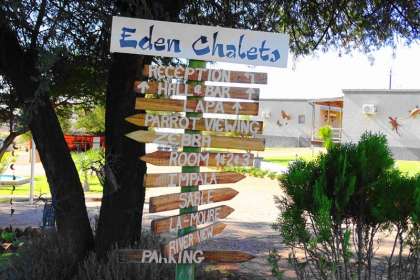
Eden Self Catering Chalets
Self Catering House, Cottage, Chalet Accommodation in Windhoek
Khomas
At present our accommodation consists of five self-catering chalets plus three new separate rooms each with it's own shower, toilet and wash basin. The chalets have a lovely view of the awesome Auas mountain as well as a game camp populated with... …see more for bookings / enquiries and info.
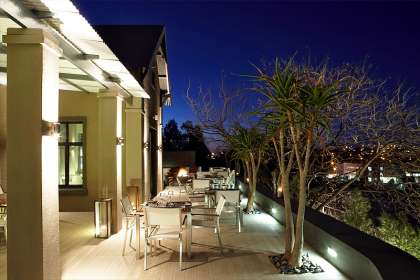
The Olive Exclusive All-Suite Hotel
Hotel / Boutique Hotel Accommodation in Windhoek
Khomas
The Olive Exclusive, an intimate boutique hotel in a tranquil corner of Windhoek embodies the very essence of chic comfort. The first ultra-luxurious sanctuary of its kind in the Namibian capital. …see more for bookings / enquiries and info.
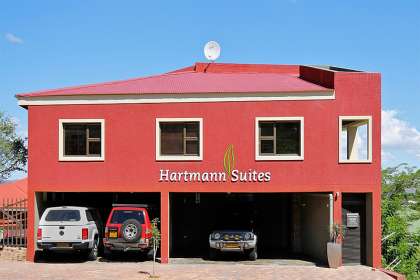
Hartmann Suites
Self Catering Apartment, Flatlet Accommodation in Windhoek
Khomas
Our five serviced, self catering apartments are perfectly located in the heart of Windhoek within walking distance to Windhoek's business and shopping precinct. Every apartment offers a fully equipped kitchenette, an elegant bathroom... …see more for bookings / enquiries and info.
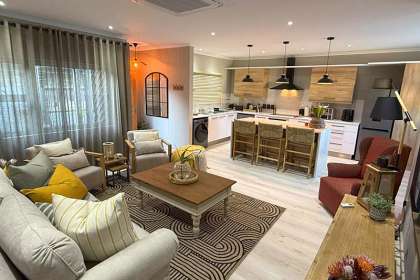
20@Jeanette - Windhoek
Self Catering Apartment, Flatlet Accommodation in Windhoek
Khomas
20@Jeanette is a beautifully modern large (64m2) 1 bedroom self catering apartment, situated in the beautiful residential neighbourhood of Ludwigsdorf in Windhoek. All airconditioned to make your stay as comfortable, relaxed and enjoyable as possible. …see more for bookings / enquiries and info.

Namibs Valley Lodge
Bed & Breakfast Accommodation in Gamsberg Pass
149.1 km from Windhoek
Namibs Valley Lodge provides lodge accommodation and camping options in the Namib's Valley of a Thousand Hills near Gamsberg Pass, Gamsberg. Namib's Valley of a Thousand Hills is located in the Namib on a highland with a panoramic view of the Guab Valley. …see more for bookings / enquiries and info.
 Windhoek, the capital of Namibia ©
  Moonrise over Windhoek ©
  Old Cape Dutch-Style railway station in Windhoek ©
  The new Independence Memorial Museum being constructed next to the Rider Memorial and Alte Feste (Old Fort) © Raymond June, License
 Parliament gardens, Windhoek ©
  Independence Avenue, Windhoek ©
  Windhoek from above ©
  Zoo Park, Windhoek, Namibia ©
  Meteorites on permanent display in Post Street Mall, Windhoek, Namibia. ©
  Christ Church and Namibian History Museum, Windhoek, Namibia. ©
  St. Marien Cathedral, Windhoek, Namibia. ©
  Railway station in Windhoek, Namibia. The plinthed locomotive is a Zwillinge, number 154A. © Lonelyplanet, License
Windhoek
Windhoek is Namibia’s compact, cosmopolitan capital, set in a broad highland basin where rugged mountains, dry valleys and modern city life come together. With its German colonial architecture, lively cafés, craft markets and easy access to the surrounding countryside, it is more than simply a gateway to the country’s desert and wildlife destinations.
The city’s name has a fascinating history. Windhoek is generally understood to derive from Afrikaans, meaning ‘windy corner’, although the precise origin is debated. One explanation links it to the Khoekhoe name //Ai-Gams, meaning ‘hot spring’, referring to the springs found in the area. The settlement developed around these reliable water sources, which made the valley attractive to earlier communities long before the arrival of European settlers.
Modern Windhoek was established in 1890 under German colonial rule, and remnants of this period can still be seen throughout the city. The Alte Feste, a former German fortress, is among the most important historic buildings, while Christuskirche, with its distinctive tower and pale stone walls, has become one of Windhoek’s most recognisable landmarks. Nearby, the Independence Memorial Museum reflects a very different chapter of the country’s history, tracing Namibia’s struggle for independence and the events that shaped the modern nation.
Windhoek is also a good place to experience contemporary Namibian culture. The Namibia Craft Centre is an excellent stop for locally made jewellery, carvings, textiles and other traditional and modern crafts. Restaurants and cafés offer everything from Namibian specialities to international cuisine, while the city’s markets provide opportunities to meet local traders and discover regional produce.
Outdoor experiences are surprisingly accessible. The hills around Windhoek provide opportunities for hiking, mountain biking and scenic drives, while places such as the Avis Dam offer attractive walking routes and birdwatching. The surrounding landscape is typical of central Namibia, with rocky ridges, thorn trees and dry grassland supporting antelope, baboons, dassies and abundant birdlife.
Windhoek sits at an elevation of roughly 1,650 metres, giving it a relatively mild climate compared with Namibia’s hotter lowlands. Summer thunderstorms can transform the surrounding hills with bursts of green, while the dry winter months bring exceptionally clear skies and spectacular sunsets. Away from the brightest city lights, the highland air also provides excellent conditions for stargazing.
The city lies in the Khomas Region, a mountainous area that forms a transition between Namibia’s central highlands and the drier landscapes towards the Namib Desert. This geography is a major part of Windhoek’s appeal: within minutes of busy streets and modern shopping centres, visitors can find rugged hills, open valleys and a sense of wilderness.
Windhoek is therefore a rewarding starting point for a Namibian journey, but it deserves time in its own right. Its history, architecture, cultural attractions and surrounding landscapes offer a compact introduction to the country, while its relaxed pace and striking setting make it an enjoyable place to pause before heading deeper into Namibia.
- Owela Museum - Windhoek, Namibia (0.66km)
- National Botanic Garden of Namibia - Windhoek (1.43km)
- Maerua Mall, Windhoek - Namibia (2.10km)
- Eros Airport - Windhoek, Namibia (4.33km)
- Avis Dam Nature Reserve - Windhoek, Namibia (5.31km)
- Heroes' Acre Memorial Monument - nr Windhoek, Namibia (10.51km)
- Daan Viljoen Game Reserve - nr Windhoek, Namibia (12.29km)
- GocheGanas Nature Reserve - nr Windhoek, Namibia (27.50km)