Plettenberg Bay Accommodation
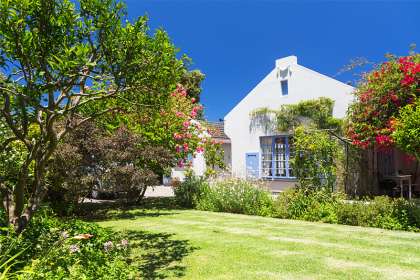
Cornerway House
Bed & Breakfast Accommodation in Plettenberg Bay
Garden Route
Bed and breakfast and self catering accommodation. There are five individually decorated bedrooms all of which have there own private entrance. All have en-suite bathrooms with fridge, tea and real coffee, TV, a safe, fans for the summer and heating... …see more for bookings / enquiries and info.

River Club Villa 41
Self Catering Apartment, Flatlet Accommodation in Plettenberg Bay
Garden Route
The River Club Villas is a sought after complex in Plettenberg Bay. This well appointed open plan 3 bedroom all en-suite garden unit is ideal for the family getaway. Only 10 minute walk to Beacon Island beach. …see more for bookings / enquiries and info.

Plett Beachfront Accommodation
Self Catering Apartment, Flatlet Accommodation in Plettenberg Bay
Garden Route
Plett Beachfront Accommodation offers comfortable, tastefully decorated en-suite self catering and bed and breakfast accommodation, right on Plettenberg Bay's Central Beach, the safest of the town's swimming beaches. …see more for bookings / enquiries and info.


Thanda Vista
Bed & Breakfast Accommodation in Plettenberg Bay
Garden Route
Intimate, exclusive and private, Thanda Vista offers 5 luxury en-suite bedrooms. A guest lounge with library, music centre and desk-top computer (with free Wi-Fi broadband Internet access); a breakfast room with magnificent views of the Bay... …see more for bookings / enquiries and info.
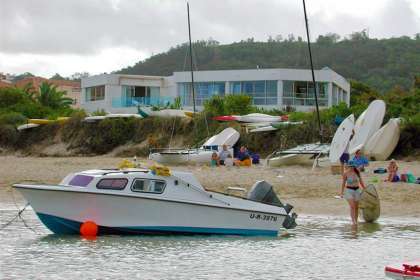
Sunshowers Plett
Self Catering Apartment, Flatlet Accommodation in Plettenberg Bay
Garden Route
Sunshowers Plett is a modern, spacious and relaxing self-catering accommodation establishment in Plettenberg Bay. Offers seaviews from the upper penthouse. All apartments a mere 75 steps away from the Keursboom Lagoon beach. …see more for bookings / enquiries and info.
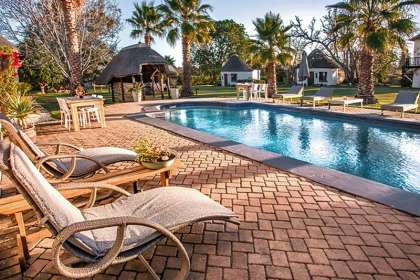
Bella Manga Country Escape
Self Catering House, Cottage, Chalet Accommodation in Plettenberg Bay
Garden Route
Bella Manga offers self catering and bed and breakfast accommodation in Plettenberg Bay, Garden Route. Comfortable, clean, well-equipped in a unique country setting. All our rooms offer en-suite bathrooms, heaters & fans, a fridge and coffee & tea... …see more for bookings / enquiries and info.

Gästehaus Pinkepank
Bed & Breakfast Accommodation in Plettenberg Bay
Garden Route
We welcome you to our guesthouse, which has modern and highly equipped double rooms, in best position of Plettenberg Bay. We settled down in a quiet side street in which one is protected against the wind. Robberg Island... …see more for bookings / enquiries and info.
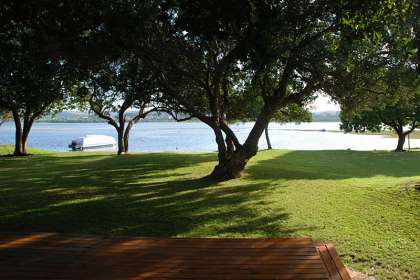
Strandmeer 19
Self Catering House, Cottage, Chalet Accommodation in Keurboomstrand
4.4 km from Plettenberg Bay
Strandmeer is a self catering cottage which lies in the beautiful Tsitsikamma coastline, Plettenberg Bay, on the banks of the Keurboomsriver, 200m from the beach. The cottage sleeps 8 (2 double beds and 4 single beds). Fully equipped kitchen (dishwasher, …see more for bookings / enquiries and info.

Alkantmooi Self Catering
Self Catering Apartment, Flatlet Accommodation in Keurboomstrand
6.8 km from Plettenberg Bay
Alkantmooi Self Catering provides 5 luxury self catering apartments for visitors to Keurboomstrand.We offer a beautiful, private and fully equipped luxury apartments with an open plan lounge, kitchen, two bedrooms and a bathroom. All with a spectacular... …see more for bookings / enquiries and info.

Sunshine Beach Cottage
Self Catering House, Cottage, Chalet Accommodation in Keurboomstrand
8.2 km from Plettenberg Bay
Walk approx 70m to the private access Keurbooms beach. Here you will find a large wooden deck from where you can savour the spectacular panoramic sea view, whales breaching and dolphins dancing across the waves. …see more for bookings / enquiries and info.
JaJoMaCa Self Catering Accommodation
Self Catering House, Cottage, Chalet Accommodation in Keurboomstrand
9.8 km from Plettenberg Bay
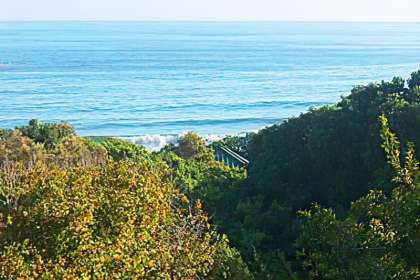
Self catering accommodation available in Keurboomstrand on the scenic Garden Route. Accommodates up to 10 people (5 bedrooms). Also, it includes the following unique facilities and features: patio with built-in braai, lock-up garage, DStv... …see more for bookings / enquiries and info.

Protea Wilds Retreat
Self Catering House, Cottage, Chalet Accommodation in Harkerville
11.6 km from Plettenberg Bay
Protea Wilds Retreat offers self catering accommodation on the outskirts of Harkerville in the Plettenberg Bay area, Garden Route. Safe, peaceful, stunning views, great affordability. Peace and tranquillity like you've never experienced before. …see more for bookings / enquiries and info.
Moon Shine on Whiskey Creek
Self Catering House, Cottage, Chalet Accommodation in The Crags
11.7 km from Plettenberg Bay
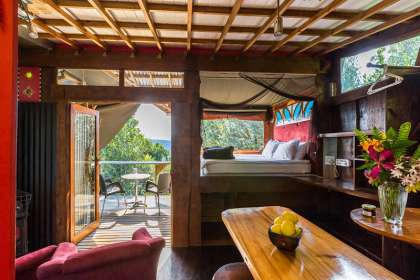
Moon Shine on Whiskey Creek offers a selection of self catering cabins in The Crags, just 10 minutes from Plettenberg Bay, 1000 miles from reality, in the very Heart of The Garden Route and close to all it's attractions. …see more for bookings / enquiries and info.
Wishbone Waters
Self Catering House, Cottage, Chalet Accommodation in The Crags
14.2 km from Plettenberg Bay
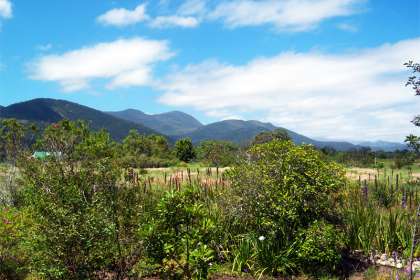
Wishbone Waters is located in the rural farming area of The Crags, 3km from the N2. Accommodation in the Little Wish self catering cottage will sleep 4 in 2 bedrooms. Local attractions within The Crags (5-7km) include: Birds of Eden, Tenikwa, Monkeyland …see more for bookings / enquiries and info.
Natures Way Farm Stay Accommodation
Self Catering House, Cottage, Chalet Accommodation in Nature's Valley, Garden Route
17.9 km from Plettenberg Bay
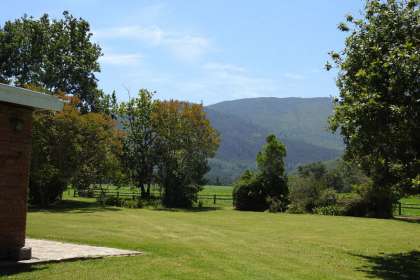
Enjoy a farm stay on a working dairy farm - a great escape for a family! Milk the cows, enjoy the animals, explore our natural forest - a birding paradise! We have 3 cottages, a Farmhouse & an exclusive Campsite. …see more for bookings / enquiries and info.

Kostaplenti
Self Catering House, Cottage, Chalet Accommodation in Nature's Valley, Garden Route
18 km from Plettenberg Bay
Kostaplenti is situated in Nature's Valley which is surrounded by indigenous forest, mountains, lagoon and the sea. It comprises of 2 units which can be rented separately. Kostaplenti is uniquely placed 30 meters from the beach. …see more for bookings / enquiries and info.
 Storm brewing at Keurboomstrand near Plettenberg Bay, Garden Route. ©
  Beacon Island, Plettenberg Bay, Garden Route. ©
  Stone church in Plettenberg Bay, Garden Route. ©
  Streaky-headed Seedeater feeding on fruit of a Cape fig, at Plettenberg Bay. © Dick Daniels, License
 A male Red-winged starling in a Cape fig tree, Plettenberg Bay, Garden Route. © Dick Daniels, License
 Plettenberg Bay as seen from the Robberg Nature Reserve. ©
  Plettenberg Bay coastline ©
 Plettenberg Bay scenic views ©
Plettenberg Bay
Whales and dolphins frequently visit Plettenberg Bay but they are best viewed from the Robberg Nature Reserve, a peninsula nearby. Plettenberg Bay is great for swimming, sailing, surfing, fishing and hiking. If you prefer to stay on dry land you can go play golf, squash, tennis, and bowling. Hikers can try the Signal Hill Nature Trail, which starts at Signal Hill, through the Piesang Valley, then to the beach close to the old timber store.
Plettenberg Bay, or "Plet" as it is known locally, attracts a large number of rich tourists that prefer to stay in the local hotels. So, hotels are expensive in Plettenberg Bay. The stretch of sand from the Robberg peninsula to the Beacon Isle Hotel is known as the "Millionaires Row".
Fishermen can hire a motorboat from the Plettenberg Bay Angling club, situated on the western bank of the Keurbooms River, if they do wish to go out to sea. Scuba-divers wont be disappointed because there are plenty of wrecks to explore in the area. If you stand in the caravan park of the Robberg reserve you can see the wreck of the greek ship, the "Athena", stranded there in 1967.
Shell-collectors should be on the look-out for the highly sought after "pansy" shell which can be found on very few beaches in south africa.
According to legend Plettenberg Bay was the first involuntary "white settler" area, 20 years before Jan van Riebeeck landed at the cape. In 1630, a portuguese vessel, the Sao Goncalo, stranded in the bay. After eight months, the crew managed to build two smaller boats from the stranded vessel. One of the boats managed to reach Mozambique from where they were transported back to Portugal.The second boat was rescued at sea by another portuguese vessel, the Sao Ignatius Loyola, but the ship never made it back to Portugal.
Plettenberg Bay, situated along the Garden Route in the Western Cape of South Africa, is renowned for its breathtaking natural beauty, pristine beaches, and a plethora of activities for visitors to enjoy.
Here are 10 things to do or see in Plettenberg Bay:
Beach Hopping: Explore the stunning beaches that Plettenberg Bay has to offer, including the popular Robberg Beach, Lookout Beach, and Keurboomstrand. Whether you're sunbathing, swimming, or simply strolling along the shoreline, the beaches provide a serene setting to relax and unwind.
Robberg Nature Reserve: Embark on a scenic hike at the Robberg Nature Reserve, renowned for its dramatic coastal landscapes, unique rock formations, and diverse marine and birdlife. The reserve offers several hiking trails of varying lengths, providing opportunities for breathtaking views and wildlife encounters.
Whale and Dolphin Watching: Take a boat tour or find a scenic viewpoint along the coast to witness the majestic Southern Right Whales and dolphins frolicking in the waves. During the winter months, Plettenberg Bay becomes a prime location for whale watching as these magnificent creatures migrate along the coastline.
Bird Watching: Explore the diverse birdlife of Plettenberg Bay by visiting the Keurbooms River Nature Reserve or the Plettenberg Bay Bird Sanctuary. Both sites offer excellent birdwatching opportunities, with a chance to spot a variety of species in their natural habitats.
Monkeyland and Birds of Eden: Visit Monkeyland and Birds of Eden, two adjacent sanctuaries dedicated to the conservation of primates and birds, respectively. Take a guided tour to learn about these fascinating creatures and observe them in spacious, natural enclosures.
Tsitsikamma National Park: Take a day trip to Tsitsikamma National Park, located a short drive from Plettenberg Bay. Explore the rugged coastal cliffs, lush forests, and diverse ecosystems of this protected area, which offers a range of activities such as hiking, kayaking, and canopy tours.
Adventurous Activities: Get your adrenaline pumping with a range of adventurous activities in and around Plettenberg Bay, including zip-lining through the treetops, bungee jumping off the Bloukrans Bridge (the highest commercial bungee jump in the world), and surfing the waves at popular surf spots like Robberg Beach.
Shopping and Dining: Explore the vibrant shops, boutiques, and art galleries in Plettenberg Bay's town center, where you can find unique souvenirs, local crafts, and delicious cuisine. Enjoy a meal at one of the many restaurants overlooking the bay, offering fresh seafood and other culinary delights.
Plettenberg Bay Game Reserve: Experience a wildlife safari at the Plettenberg Bay Game Reserve, where you can encounter a variety of game species, including lions, elephants, giraffes, and rhinoceroses, in a malaria-free environment.
Cultural Experiences: Immerse yourself in the local culture and history of Plettenberg Bay by visiting historical landmarks such as the Old Timber Shed, exploring the local markets, or attending cultural events and festivals that showcase the vibrant heritage of the region.
With its stunning natural landscapes, diverse wildlife, and wide range of activities, Plettenberg Bay offers something for every traveler to enjoy along the Garden Route in the Western Cape of South Africa.
- Plettenberg Bay Area (1.18km)
- Robberg Ridge, Plettenberg Bay (3.10km)
- Keurboomstrand (9.84km)
- Harkerville (14.02km)
- The Crags (14.13km)
- Kurland (16.41km)
- Nature's Valley, Garden Route (20.09km)
- The Heads, Knysna (31.06km)
- Thesen Island, Knysna (31.67km)
- Knysna (32.63km)
- Brenton-on-Sea (34.60km)
- Phantom Acres (39.55km)
- Buffels Bay (40.02km)
- Lookout Beach - Plettenberg Bay, Garden Route (0.76km)
- Plettenberg Bay Lagoon - Garden Route (0.96km)
- The Market Square Shopping Centre - Plettenberg Bay, Garden Route (1.32km)
- Plettenberg Mall, Plettenberg Bay - Garden Route (1.49km)
- Keurboomsriver Mouth - nr Plettenberg Bay, Garden Route (2.06km)
- Plettenberg Bay Country Club - Plettenberg Bay, Garden Route (2.19km)
- Robberg 5 Beach - Plettenberg Bay, Garden Route (2.30km)
- Goose Valley Golf Club - Plettenberg Bay, Garden Route (3.33km)
- Knysna Elephant Park - Plettenberg Bay, Garden Route (4.76km)
- Nelson Bay Cave - Robberg Nature Reserve, Plettenberg Bay (5.15km)
- Plettenberg Bay Airport - Plettenberg Bay, Garden Route (5.60km)
- Robberg Nature Reserve - Plettenberg Bay, Garden Route (6.15km)
- Keurbooms River Nature Reserve - Keurboomstrand, Garden Route (7.08km)
- Keurboomstrand Beach, Keurboomstrand, Garden Route (9.15km)
- Keurbooms Beach - Keurboomstrand, Garden Route (9.95km)
- Jukani Wildlife Sanctuary - The Crags, Plettenberg Bay (10.35km)
- Garden Route Wolf Sanctuary - Harkerville, Plettenberg Bay (10.71km)
- Arch Rock Private Reserve - Keurboomstrand (10.90km)
- Brackenburn Private Nature Reserve - The Crags (12.30km)
- Plettenberg Bay Game Reserve - Garden Route, Western Cape (12.37km)
- Harkerville Trail - between Knysna & Plettenberg Bay (13.61km)
- Lawnwood Snake Sanctuary, The Crags - Plettenberg Bay, Garden Route (14.20km)
- Monkeyland & Birds of Eden, The Crags - Plettenberg Bay (14.39km)
- Tenikwa Wildlife Rehabilitation & Awareness Centre - nr Plettenberg Bay (14.91km)
- Nature's Valley Beach - Garden Route, Western Cape (18.15km)
- Noetzie Beach - nr Knysna, Garden Route (22.58km)
- Prince Alfred's Pass - nr Knysna, Garden Route, Western Cape (22.84km)
- Outeniqua Hiking Trail - Garden Route, Western Cape (23.02km)
- Garden Route National Park - Western Cape (23.67km)
- Pezula Golf Club & Championship Course - Knysna, Garden Route (25.94km)