Ezulwini Valley Accommodation
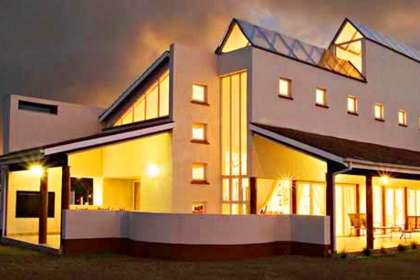
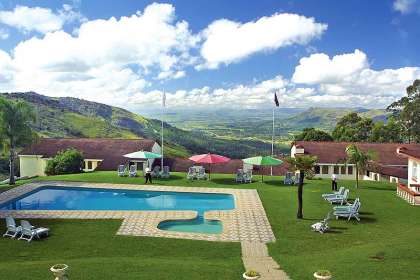
Mountain Inn Hotel
Hotel / Boutique Hotel Accommodation in Mbabane
2km from Ezulwini Valley
Mountain Inn is the executive and diplomat's choice for comfort, convenience and information networking. Swaziland's most personal hotel-situated only 4kms from Mbabane center - is a professional, yet family run establishment. …see more for bookings / enquiries and info.
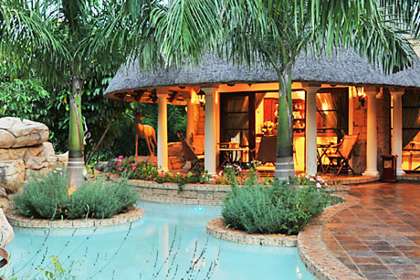
Summerfield Botanical Garden Hotel
Hotel / Boutique Hotel Accommodation in Manzini
24km from Ezulwini Valley
Accommodation at Summerfield Luxury Hotel & Botanical Garden is as luxurious, tasteful, refreshing and tranquil as you can expect from a five-star establishment. …see more for bookings / enquiries and info.
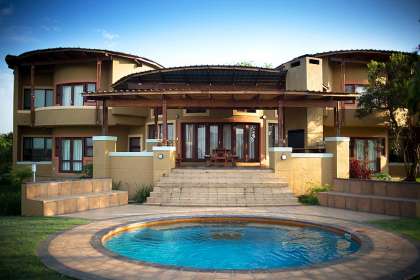

Ezulwini Valley
Ezulwini Valley in Swaziland is the hub of Swazi crafts and culture. Rich in heritage, and ruled by King Mswati III who is a great source of Swaziland national pride. Swaziland boasts one of the few remaining monarchies in Africa. King Mswati III rules the Swazi kingdom with the Queen Mother or Ndlovukazi, and lives in a grand residence in the Ezulwini Valley of Swaziland - which in Zulu means "heavenly".
Lying between Mbabane and Manzini, Ezulwini Valley is surrounded on all four sides by magnificent mountains, making this north-western corner of Swaziland truly a little piece of Heaven. Ezulwini Valley is where Swaziland tourism began, and offers a wealth of attractions and Swazi accommodation, which includes Swaziland Self Catering accommodation, Swaziland Bed & Breakfast accommodation and Swaziland Tented accommodation - and because Swaziland's Ezulwini Valley is an absolute must for every visitor to Swaziland, it's no wonder that Ezulwini Valley has been chosen by many major Swaziland Hotels as the place to build hotels, casinos and restaurants.
For fine dining, make sure you try the elegant, sophisticated ambience of the Lihawu Restaurant at the Swaziland Royal Villas. Not just renowned for outstanding food, the Lihawu Restaurant keeps the best wine cellar in the country. Ezulwini Valley also boasts hot springs, craft markets, art galleries, riding stables, a Swaziland nature reserve and cultural village, while golfers can enjoy the 18-hole Royal Swaziland Championship Golf Course.
Visitors to the Ezulwini Valley in Swaziland can get some of the finest nature experiences around. The brilliant scenery, diverse bird life and Swaziland Big Five will prove to be a true African wildlife experience. The Hlane Royal National Park has large numbers of lion, elephant and white rhino, while the Mkhaya Game Reserve is home to endangered species such as black rhino, roan and sable. Ezulwini Valley is surrounded on the north, south and west by the Mlilwane Wildlife Sanctuary lying in the Nyonyanw Mountains, and is a bird watchers paradise with 470 various species being found there. A variety of indigenous mammals also can be found in this Swaziland game park sanctuary, including zebra, rhino, giraffe, hippo and antelope.
Although there's a wide variety of Swaziland accommodation on offer in Ezulwini Valley - Game Lodges, Swaziland Guest House accommodation, Back-Packers and Hotels, if you're looking for Swaziland Self Catering accommodation, you'll find Buhleni Farm Chalets tucked away on a bushveld fruit farm just 5 minutes from the center of Ezulwini Valley. These well-appointed wooden chalets set amidst lush well established gardens, are out of sight and away from the sounds of the Ezulwini Valley travellers hub.
Make time for a visit to the Swaziland Ezulwini Valley Mantenga Cultural Village - a living museum which showcases all aspects of traditional Swazi culture. Besides the wonderful accommodation in Ezulwini Valley, more attractions include: The Jewellery Studio Guava Gallery, Mantenga Falls, King Sobhuza II Memorial Park and rock paintings at Sheba's Breasts.
More sought after Ezulwini Valley accommodation categories include Ezulwini Valley pet-friendly and Ezulwini Valley wheelchair-friendly accommodation. If you are specifically pursuing these Ezulwini Valley accommodation categories, then we highly recommend that you contact the accommodation owner directly to ensure that the facilities are satisfactory and to your liking.
The Ezulwini Valley pet-friendly accommodation and the Ezulwini Valley wheelchair-friendly accommodation facilities can vary between large Ezulwini Valley Hotels as well as small room only accommodation. Self catering Ezulwini Valley accommodation will occupy the majority of these listings.
99% of all Ezulwini Valley guest houses listed on WhereToStay will display rates for your convenience. Occasionally a Ezulwini Valley guest house will ask you to request a quotation.
WhereToStay tries to keep the Ezulwini Valley self catering and Ezulwini Valley b&b standards at the highest levels relative to tariffs charged. Misleading advertising related to any listings of Ezulwini Valley B&B and Ezulwini Valley self catering accommodation should be reported so that WhereToStay can act accordingly.
See our full list of Ezulwini Valley accommodation special categories at the top of this page
AFRIKAANS
WhereToStay Ezulwini Valley Akkommodasie wissel van `n verskeidenheid van spesifieke categoriee soos Ezulwini Valley selfsorg akkommodasie, Ezulwini Valley, b en b blyplekke en nog veel meer.
Meer gesogte Ezulwini Valley slaapplek kategoriee sluit in Ezulwini Valley troeteldier-vriendelike blyplekke en Ezulwini Valley rolstoel-vriendelike akkommodasie.
As jy spesifiek vrae oor die voorsetting van hierdie Ezulwini Valley blyplekke, sal dit raadsaam wees om kontak met die eienaars te maak om te verseker dat die fasiliteite bevredend is en na you hart.
Die Ezulwini Valley troeteldier-vriendelike verblyf en Ezulwini Valley rolstoel-vriendelike vakansie blyplekke kan wissel tussen Ezulwini Valley Hotelle asook klein kamer akkommodasie in Ezulwini Valley. Ezulwini Valley selfsorg slaapplekke sal die meerderheid van hiedie inskrywings beset.
99% van alle Ezulwini Valley gastehuise gelys op WhereToStay sal pryse vertoon vir u gerief. Soms sal `n Ezulwini Valley gastehuis vra om `n kwotasie te versoek.
WhereToStay probeer om die lys van Ezulwini Valley slaapplek standaarde op die hoogste vlakke (relatief tot tariewe) gehef hou.
Misleidende advertensies wat verband hou met enige lys van Ezulwini Valley blyplekke moet aangemeld word sodat WhereToStay kan daarvolgens optree.
TOUCH